Technical Guide
Mechanical vs. Hydraulic Clutch: Which is Right for Your Boat?
Learn the differences between mechanical and hydraulic clutch systems in marine gearboxes, their advantages, and how to make the best choice for your boat.
Short Answer
The main difference between mechanical and hydraulic gearboxes is the source of power that executes the gear shift. Mechanical gearboxes operate by the user physically compressing the clutch plates with arm force (via a push-pull cable) and are generally preferred for small boats with low horsepower (up to around 150 HP). Hydraulic gearboxes, on the other hand, shift gears using high pressure created by an engine-driven oil pump. They provide much smoother shifting, can handle massive engine outputs (thousands of HP), and are mandatory for heavy-duty, commercial, or large pleasure craft. The primary factor determining the choice is your engine's power.
Core Operating Principles
A marine gearbox's most critical task is transferring engine power to the shaft to turn the propeller forward or backward. This transfer is handled by the "clutch" mechanism.
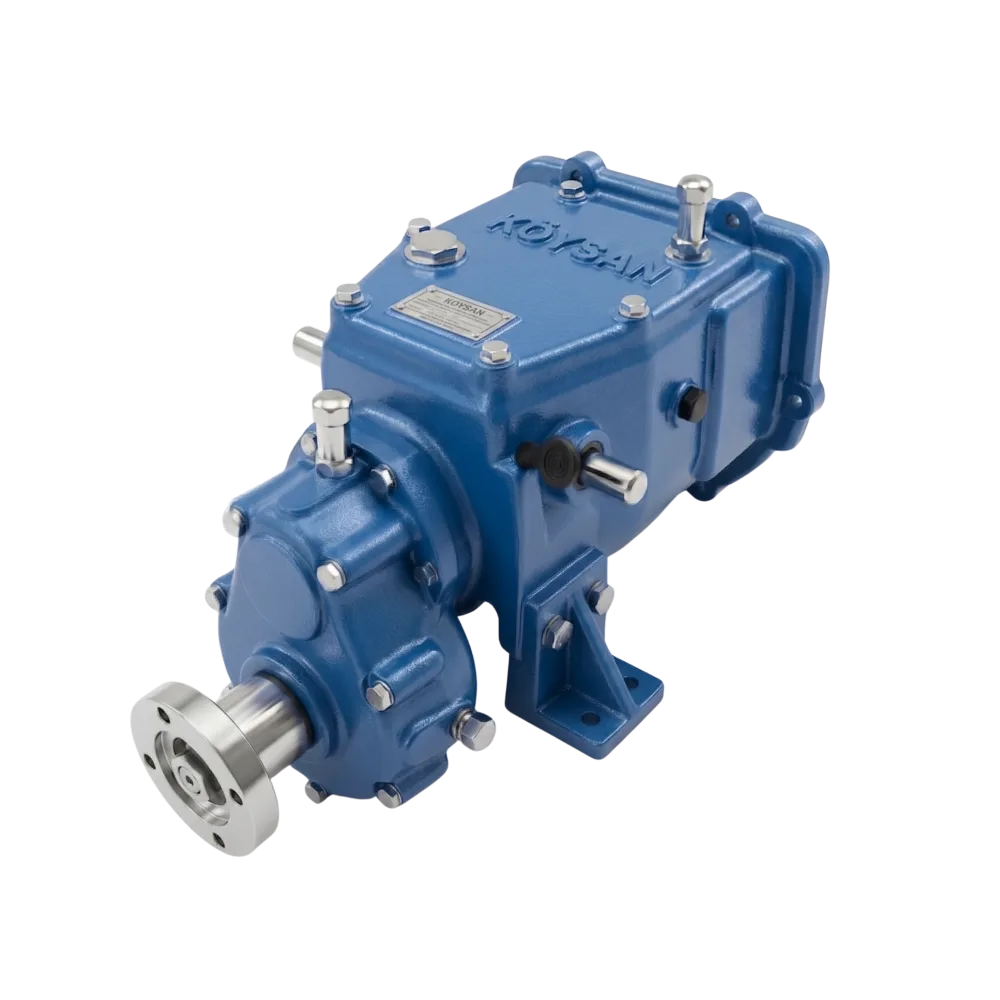
- Mechanical Clutch: When the captain pushes the gear lever, a push-pull cable is tensioned. This mechanical movement pushes a cam mechanism inside the gearbox, physically pressing the conical or multi-disc clutch plates together. It is a simple, direct system that requires no electricity or hydraulic pressure.
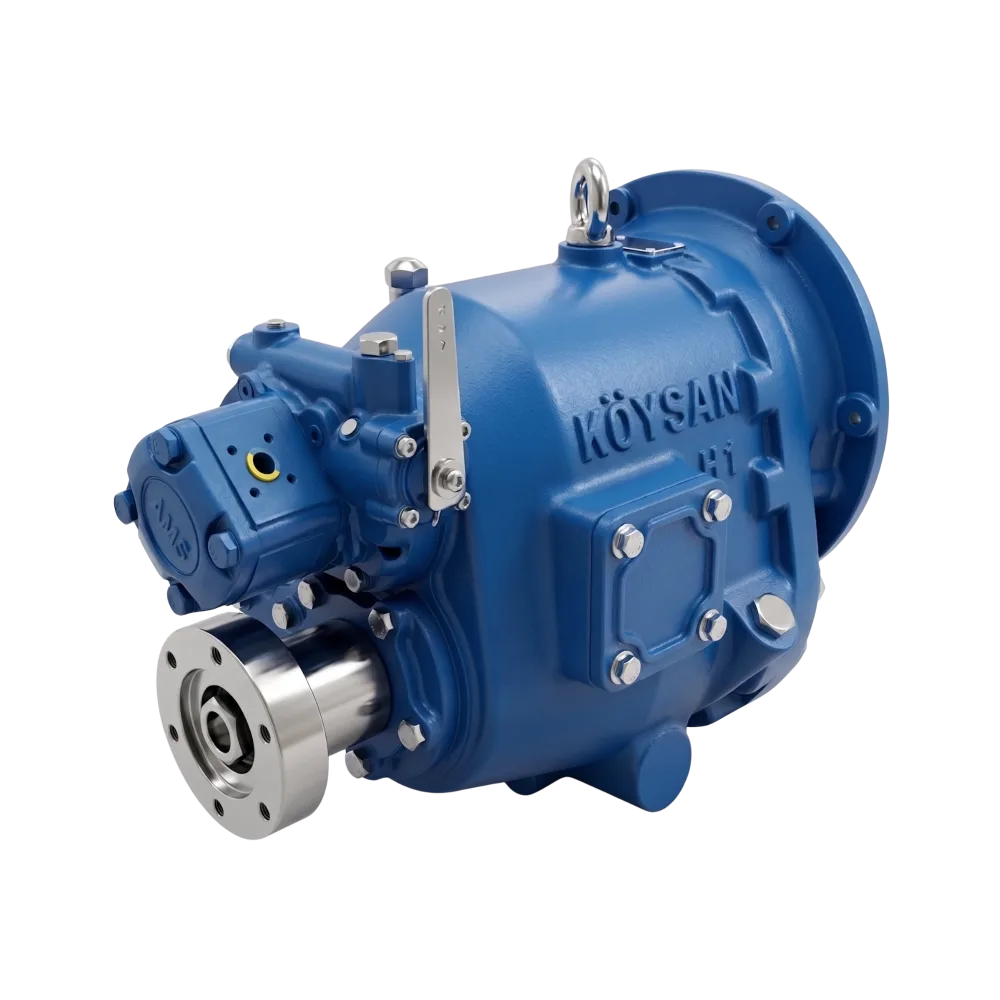
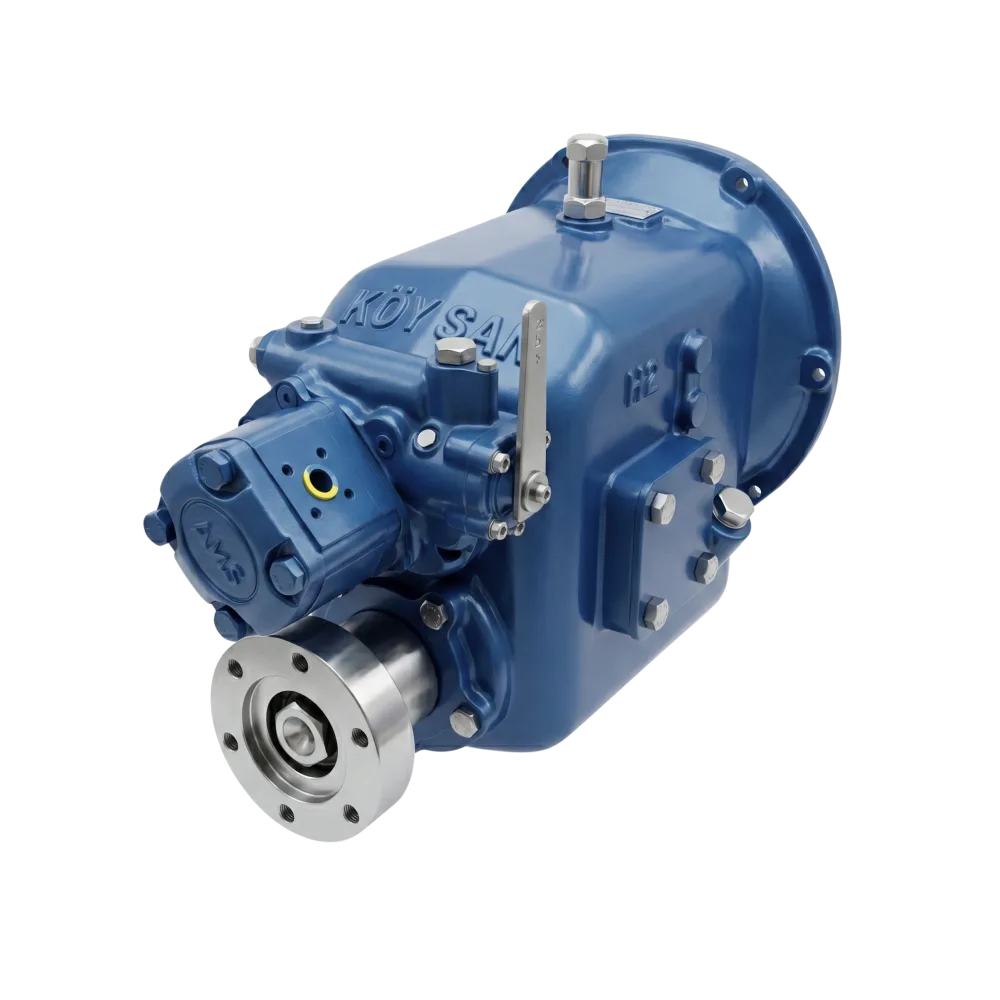
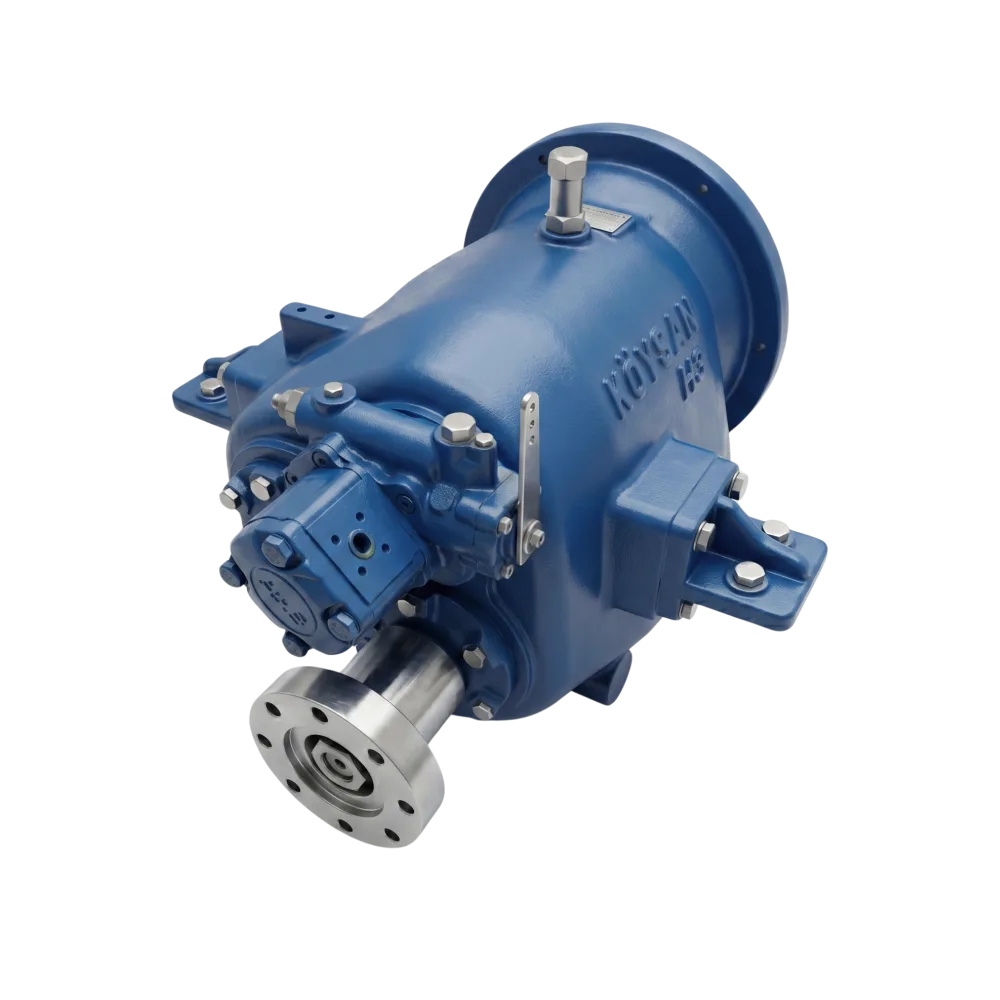
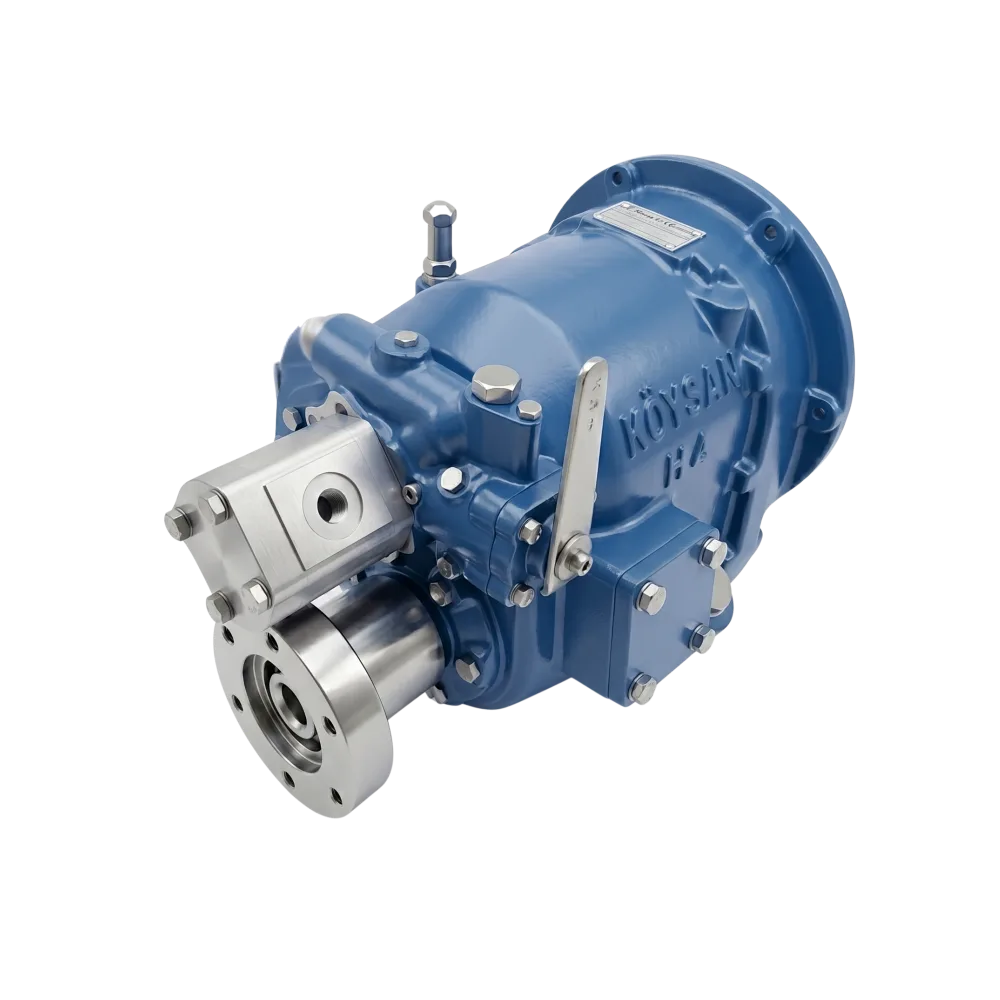
- Hydraulic Clutch: Inside the gearbox, there is a hydraulic oil pump that turns as long as the engine is running. When the captain moves the gear lever (via a mechanical valve or an electronic solenoid), the system directs pressurized oil to the piston behind the respective clutch pack (forward or reverse). The oil pressure squeezes the plates with tremendous force to transfer power.
3 Main Factors Influencing Your Choice
1. Engine Power Limit (Capacity)
Mechanical gearboxes have a physical limit. As engine power increases, the clamping force required to hold the clutch plates without slipping also increases. Beyond approximately 100-150 HP, it becomes impossible to provide this force with human arm strength or a simple spring mechanism. All engines above this threshold require the power of hydraulic pressure.
2. Shifting Comfort and Control Type
- Mechanical: Gear shifts are generally harsher. You can physically feel a "clunk" or click as the gears and clutches engage. They can only be controlled via mechanical push-pull cables.
- Hydraulic: Gear shifts are smooth and seamless. Thanks to the gradual build-up of pressure, the boat doesn't jerk. Additionally, hydraulic gearboxes can be equipped with electronic valves (solenoids); this allows the use of fly-by-wire electronic joysticks in the wheelhouse that are moved with just a fingertip. For twin-engine setups, hydraulic is a must for joystick integration.
3. Cooling Requirements and Maintenance
Mechanical gearboxes typically cool via air across their own housing surface; they do not require an external cooler, and maintenance is just periodic oil changes. Hydraulic gearboxes, however, continuously pump oil to pressurize it, causing the oil to heat up. Therefore, hydraulic gearboxes must feature an external oil cooler connected to the engine's seawater line or freshwater cooling system.
| Feature | Mechanical Gearbox | Hydraulic Gearbox |
|---|---|---|
| Max Power | Generally up to 150 HP | Up to thousands of HP |
| Shifting Feel | Harsh and direct | Smooth and seamless |
| Control Type | Mechanical cable only (Push-pull) | Mechanical cable or Electronic (Joystick) |
| Cooling | Generally air-cooled (via housing) | External oil cooler is mandatory |
| Price / Cost | More affordable, simple installation | Higher cost, requires cooler plumbing |
Example Calculation Scenarios
To make it clearer, let's look at two different types of boats:
Scenario A: 9-Meter Sailboat or Small Wooden Skiff
- Engine: 40 HP @ 3000 RPM
- Usage: Entering/exiting ports, calm weather when sails can't be used.
- Selection: Mechanical Gearbox.
- Result: Due to low engine power, a mechanical gearbox handles the job easily. No extra plumbing for an oil cooler is needed, installation is simple, costs are kept to a minimum, and it provides years of trouble-free service.
Scenario B: 18-Meter Twin-Engine Motor Yacht
- Engine: 2x 450 HP @ 2500 RPM
- Usage: High speed, dual-station electronic control from wheelhouse and flybridge.
- Selection: Hydraulic Gearbox (with electronic valves).
- Result: It is impossible for a mechanical clutch to hold the massive torque of 450 horsepower. The hydraulic system transfers this power effortlessly. Thanks to electronic valves, the boat can be docked with millimeter precision via a joystick, and gear shifts are so smooth they won't disturb guests.
3 Common Mistakes in Gearbox Selection
Frequently Asked Questions
Can I convert my existing mechanical gearbox to hydraulic?
No. The internal structures, housing castings, shaft center distances, and clutch groups of mechanical and hydraulic gearboxes are completely different. It is not possible to convert one into the other; a complete gearbox replacement is required.
What happens if a hydraulic gearbox loses oil pressure while cruising?
If hydraulic pressure drops or is lost, the force squeezing the clutch plates disappears. The springs inside the gearbox disengage the mechanism, and the gearbox shifts into "neutral." Power to the propeller is cut off. This is actually the system protecting itself; however, since you will lose maneuverability, the hydraulic oil level and cooling system must be checked regularly.